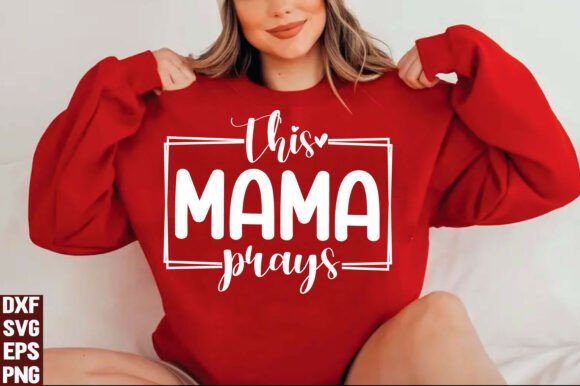
This Mama Prays: A Design Review for Embroidery Projects
When a design file like “This Mama Prays” lands in my library, my first thought is always about how it will translate from a digital image to physical thread. This isn't just a graphic; it’s a potential centerpiece for a heartfelt gift or a meaningful product line. Let’s walk through what this design offers from the perspective of someone who will actually stitch it.
The Immediate Mood and Visual Personality
The phrase “This Mama Prays” carries a gentle, affirming strength. It’s personal without being overly sentimental, and faith-focused without being generic. The design’s typography and layout, assuming a clean, legible script style, likely creates a mood of quiet devotion. This isn’t a loud, flashy statement; it’s an intimate one. For embroidery, that means it belongs on items meant for comfort, reflection, or personal affirmation—think the cozy sweatshirt a mom wears during morning coffee, the tote bag she carries to the park, or the pillow tucked into a nursery corner.
Where This Design Naturally Thrives in Embroidery
Given its theme, this embroidery file finds its home on products that accompany daily life and mark special occasions. I envision it beautifully stitched onto a lightweight sweatshirt or a soft cotton tee for a Mother’s Day gift. It would be equally charming on a canvas tote bag, offering a subtle statement while being practical. For baby items, embroidered onto the corner of a organic cotton blanket or a simple burp cloth, it becomes a treasured keepsake.
As a patch, appliqued onto a denim jacket or a backpack, it gains a more durable, casual feel. For home decor, a kitchen towel or a pillow cover in a neutral linen would allow the stitching to stand out without overpowering the space. The key here is matching the design’s intimate message with a product that feels personal and tactile.
Navigating Real-Life Embroidery Situations
In practice, translating this SVG/PNG into an embroidery project requires some practical thinking. The success hinges on clarity. If the design includes fine script lettering, stitch density and thread choice become critical. On a dark fabric like navy or black, a bright white or a soft pastel satin stitch for the lettering will create beautiful contrast. On light fabrics, a richer, deeper thread color adds weight and presence.
For items like caps or curved surfaces, the design’s layout needs to be adaptable. A single-line phrase like “This Mama Prays” often works well on curved hat panels if the lettering isn’t too wide or ornate. On thinner fabrics, like a classic t-shirt, a lighter fill stitch or a smart use of running stitch for outlines can prevent the design from feeling heavy or causing fabric puckering.
Scenarios Where Extra Care is Needed
This is a design where the small details matter. If the file includes very tiny decorative elements or extremely thin lettering, these areas can become muddy on textured fabrics like fleece or looped towels. I’d advise testing on a scrap of your intended fabric first. Similarly, on stretchy fabrics, a sturdy stabilizer is non-negotiable to keep those prayers legible after wear.
For products destined for frequent washing—like kitchen linens or baby items—consider a robust stitch type and quality thread to ensure longevity. The emotional value of the message should be matched by the durability of the craftsmanship.
The Impact on Your Product and Your Customer
Using a design like this isn’t just about adding decoration; it’s about adding value. When stitched well, it transforms a basic garment or home good into a personalized gift with significant emotional resonance. For a customer browsing your Etsy shop or craft fair table, an embroidered tote bag with “This Mama Prays” isn’t just a bag; it’s a potential gift for a friend, a sister, or herself. It speaks directly to a moment, a role, and a feeling.
For your brand as a maker, consistently well-executed embroidery of meaningful phrases builds trust. Customers see that you handle both the technical stitchwork and the emotional weight of the design with care. It elevates your work from generic craft to thoughtful creation.
A Practical Scenario: Preparing a Custom Embroidered Tote
Let’s picture a real project: a customer orders a custom tote bag for a soon-to-be mother. They’ve chosen this “This Mama Prays” design. My process starts not with the hoop, but with consideration. What color bag? A neutral oat color would let a deep burgundy or forest green thread shine. The tote’s canvas texture is substantial, so I can use a satisfyingly dense satin stitch for the lettering without fear of distortion.
Before hooping, I’d run a test on a spare piece of similar canvas to check the thread color contrast and to see how the design’s details, especially any graceful curves in the word “Prays,” translate. I’d confirm my hoop size can accommodate the design with comfortable margins. The goal is a clean, deeply embedded look that feels handmade but professional—a gift the recipient will use and appreciate daily.
Essential Designer Notes Before You Stitch
Always test first. Stitch a sample on a scrap of your project fabric. This reveals how the fabric texture interacts with the design’s details and allows you to adjust thread colors.
Consider the background. How does this design look in a digital black-and-white mockup? Does it hold its clarity? This helps plan for both light and dark fabric applications.
Stabilizer is your silent partner. Choose the right one for your fabric type—no shortcuts. It’s the foundation for crisp lettering.
Think about scale. This design might be perfect at a moderate size on a sweatshirt pocket, but might need simplification if scaled down very small for a baby hat.
Lastly, and crucially, confirm the licensing. The product description indicates it’s a cutting file, but for embroidery, especially if you’re selling finished products or digital embroidery adaptations, you must verify the license terms for commercial use. Never assume.
“This Mama Prays” as an embroidery design offers a wonderful blend of message and medium. It invites you to create products that carry meaning, and when executed with practical skill and thoughtful pairing, it becomes more than a graphic—it becomes a keepsake stitched in thread.